
AI Personalization: Hyper-Targeting in Indian Retail
Discover how AI and data analytics revolutionize personalization at scale for Indian retailers. Drive hyper-targeted marketing, optimize customer experiences, and boost sales.
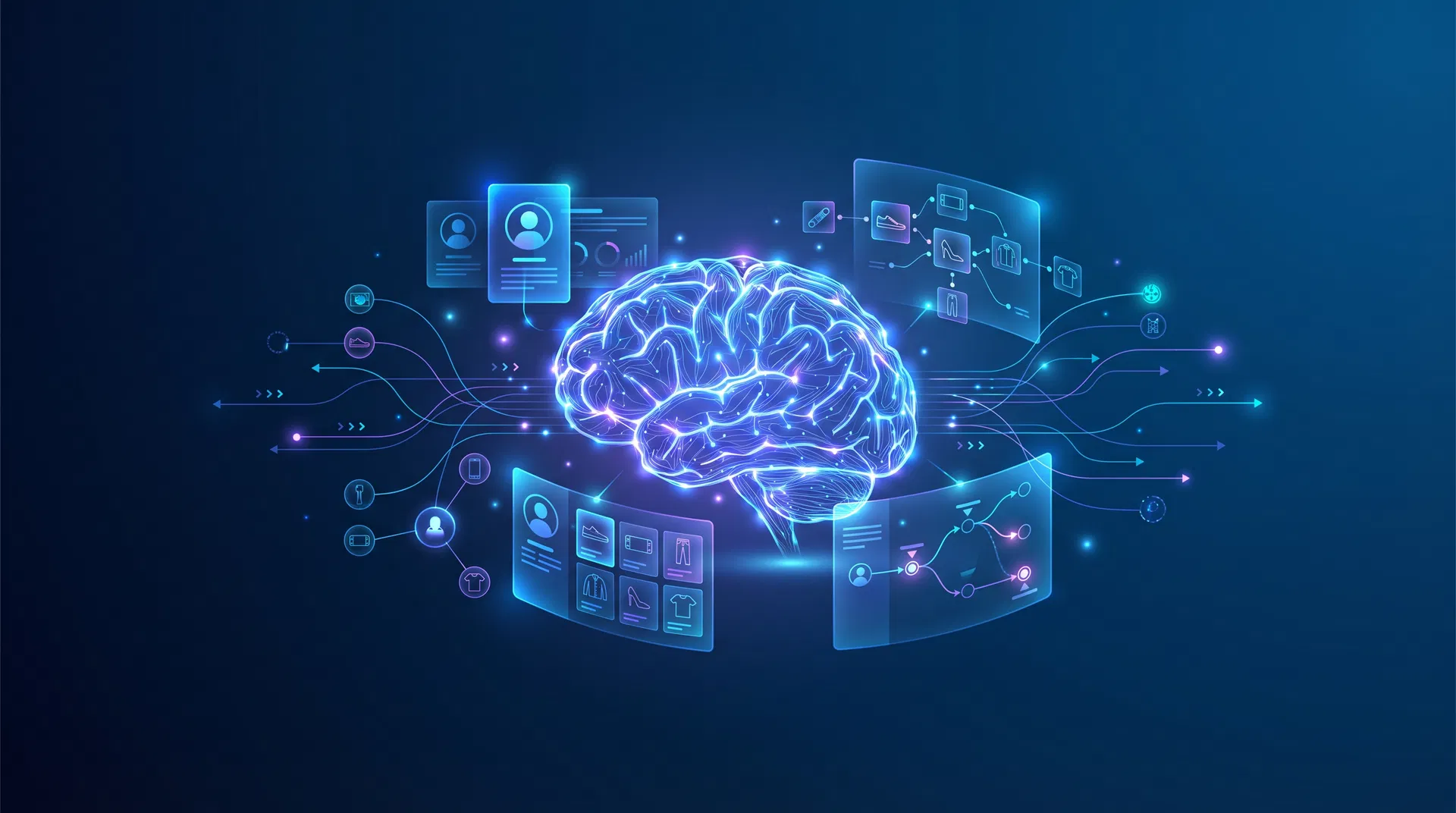
Personalization at Scale: Leveraging AI and Data for Hyper-Targeted Marketing in Indian Retail
The Indian retail landscape is undergoing a profound transformation. With a burgeoning digital-first consumer base and increasing competition, generic marketing strategies are no longer sufficient. Today's consumers expect experiences tailored to their unique preferences, purchase history, and even real-time behavior. This expectation isn't just a trend; it's a fundamental shift, and the key to meeting it lies in personalization at scale, powered by Artificial Intelligence (AI) and robust data analytics.
For Indian retailers, the challenge is amplified by the country's immense diversity – varying languages, cultural nuances, income levels, and regional preferences. Delivering truly hyper-targeted marketing in such a complex environment demands sophisticated tools and strategic thinking. This blog post will delve into how AI and big data analytics enable retailers to offer highly personalized experiences, from product recommendations to dynamic pricing, and discuss the tools and strategies for achieving this in the dynamic Indian market.
The Imperative of Personalization in Indian Retail
The Indian consumer is evolving rapidly. Fuelled by smartphone penetration and affordable data, online shopping has become a norm for millions. According to Statista, the Indian e-commerce market is projected to grow significantly, reaching over $150 billion by 2026. This growth comes with heightened expectations.
* Digital Natives Demand Relevance: Younger generations, accustomed to personalized feeds on social media and streaming platforms, expect the same level of relevance from their shopping experiences. * Overcoming Information Overload: In a marketplace flooded with choices, personalization acts as a filter, helping consumers discover products and services that truly resonate with them, cutting through the noise. * Building Brand Loyalty: A personalized experience fosters a sense of being understood and valued, leading to stronger customer relationships and increased loyalty. A study by Accenture found that 91% of consumers are more likely to shop with brands that provide relevant offers and recommendations. * Competitive Differentiation: As more players enter the market, personalization becomes a crucial differentiator, setting brands apart from competitors offering similar products.
However, manually segmenting millions of customers and tailoring individual messages is impossible. This is where AI and data-driven marketing become indispensable.
The Role of AI in Achieving Personalization at Scale
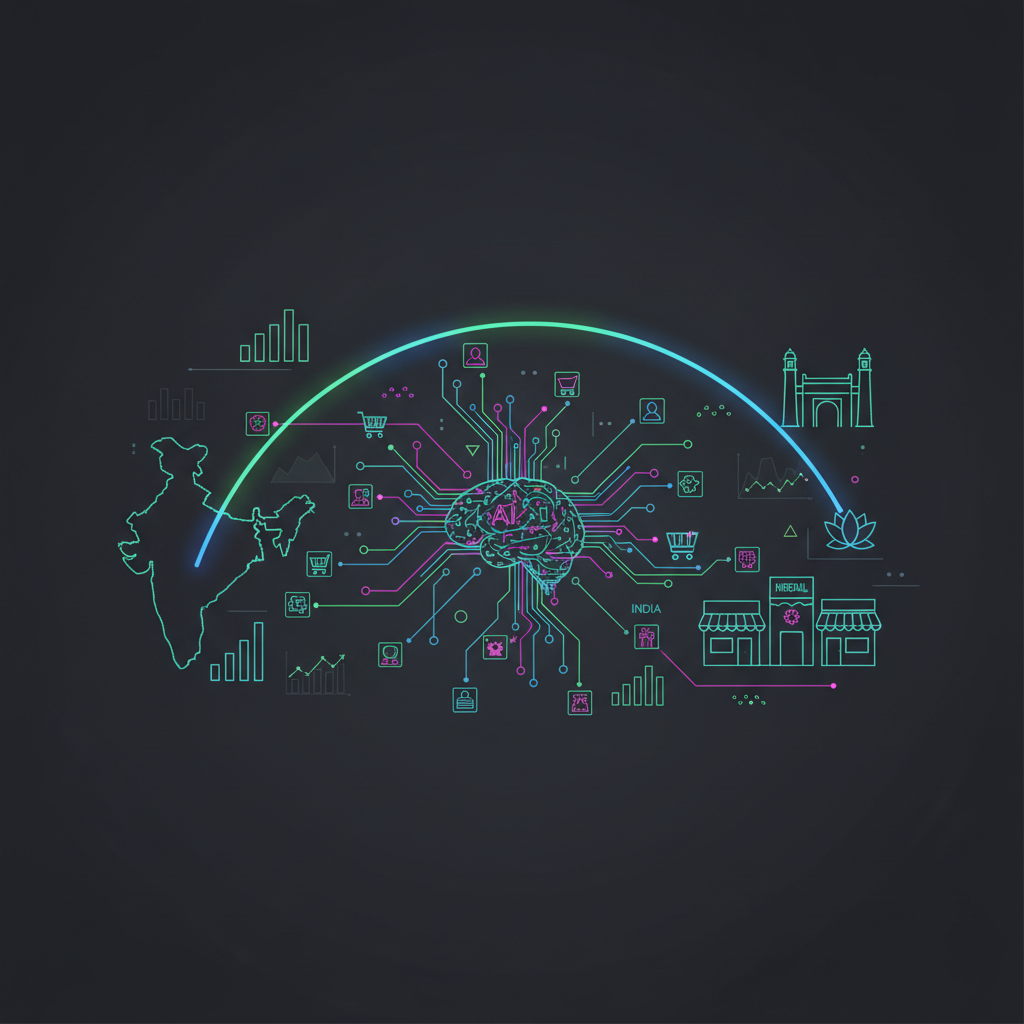
AI is the engine that drives effective personalization at scale. It processes vast amounts of data, identifies patterns invisible to the human eye, and makes predictions that inform hyper-targeting strategies.
1. Advanced Customer Segmentation
Traditional customer segmentation often relies on broad demographic or geographic categories. While useful, it lacks the granularity needed for true personalization. AI takes customer segmentation to the next level by:
* Behavioral Segmentation: Analyzing browsing history, purchase frequency, average order value, product views, cart abandonment rates, and interactions with marketing campaigns. * Psychographic Segmentation: Inferring interests, lifestyle choices, and values based on digital footprint and purchase patterns. * Predictive Segmentation: Using predictive analytics to anticipate future behavior, such as churn risk, likelihood to purchase specific categories, or responsiveness to promotions.
For example, an AI system can identify a segment of customers in Mumbai who frequently buy organic groceries, interact with sustainability-focused content, and typically shop on weekends. This allows for highly specific campaigns, such as promoting new eco-friendly products or offering weekend-specific discounts on organic items.
2. Hyper-Targeted Product Recommendations
Perhaps the most visible application of AI personalization, intelligent product recommendations are crucial for enhancing the customer journey. AI algorithms power:
* Collaborative Filtering: Recommending products based on what similar customers have purchased or viewed. * Content-Based Filtering: Suggesting items similar to those a customer has previously shown interest in. * Hybrid Recommendation Systems: Combining both approaches for more accurate and diverse suggestions. * Real-time Recommendations: Adapting recommendations instantly based on current browsing session, adding items to cart, or even search queries.
Consider a customer browsing ethnic wear on an e-commerce platform. AI can recommend matching accessories, complementary attire, or even notify them when a similar item goes on sale, significantly increasing the average order value (AOV) and improving conversion rates.
3. Dynamic Pricing and Promotions
Dynamic pricing is a sophisticated AI application where product prices adjust in real-time based on various factors, including demand, competitor pricing, inventory levels, customer segment, and even time of day. This is particularly powerful in the highly price-sensitive Indian market.
* Personalized Discounts: Offering specific discounts to individual customers based on their price sensitivity, purchase history, or loyalty status. * Demand-Based Pricing: Increasing prices for high-demand items or during peak shopping hours, and lowering them to clear excess inventory. * Competitor-Aware Pricing: Adjusting prices to remain competitive with rivals, often automated through AI-powered price monitoring tools.
For instance, an AI might offer a first-time buyer a small discount on their initial purchase to encourage conversion, while a loyal customer might receive exclusive access to a flash sale on their preferred brand.
4. Personalized Content and Communication
Beyond products and prices, AI enables personalized communication across all touchpoints:
* Email Marketing: Tailoring subject lines, content, and offers in emails based on individual preferences and past interactions. * Website and App Personalization: Dynamically changing homepage layouts, banners, and featured categories for each visitor. * Push Notifications: Sending timely and relevant alerts for abandoned carts, price drops on wishlisted items, or new arrivals in preferred categories. * Chatbots and Virtual Assistants: Providing instant, personalized support and recommendations, enhancing the customer service experience.
Imagine a customer who frequently buys electronics. Their email newsletter could feature new gadget launches, tech reviews, and exclusive pre-order offers, rather than generic promotions for all product categories.
Data: The Fuel for AI Personalization
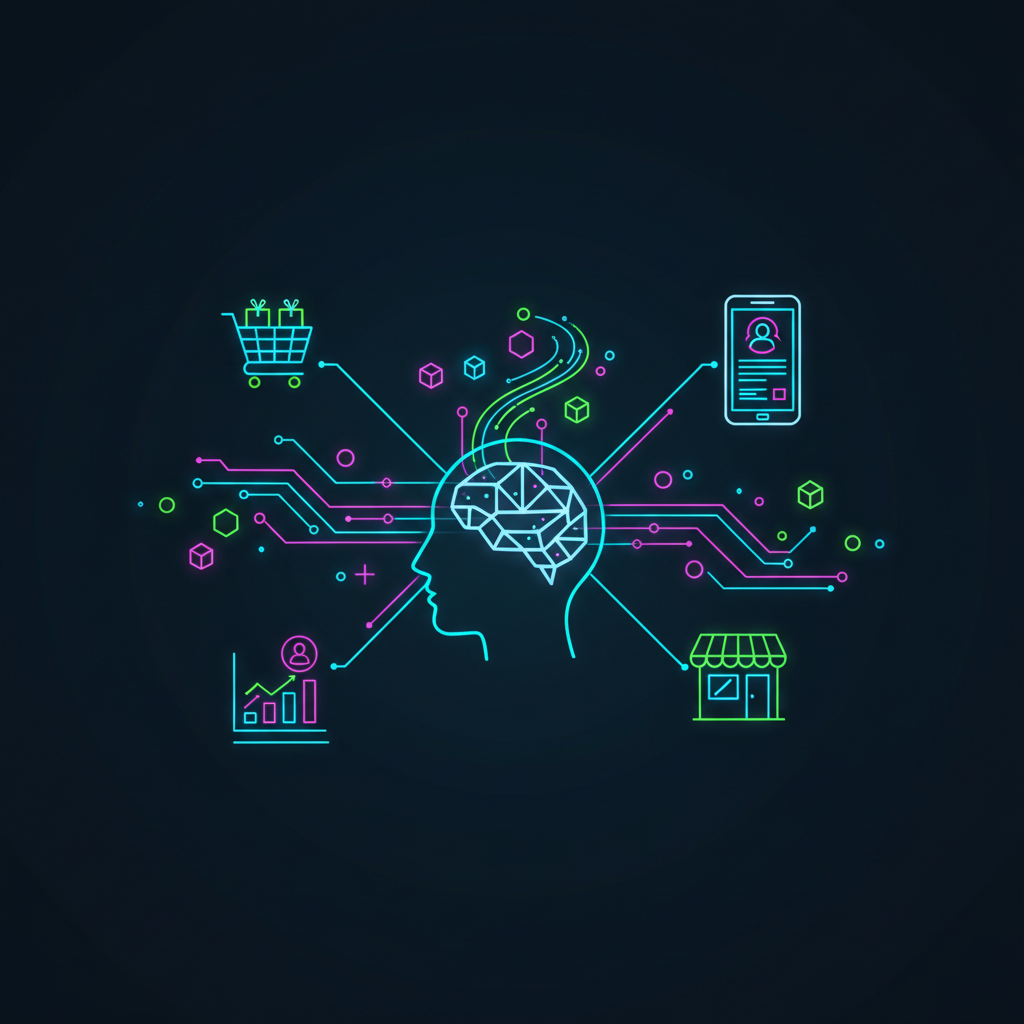
AI is only as good as the data it's fed. For effective personalization, retailers need to collect, integrate, and analyze vast amounts of data from various sources:
* Transactional Data: Purchase history, order value, frequency, product categories, payment methods. * Behavioral Data: Website clicks, page views, search queries, time spent on pages, cart abandonment, app usage. * Customer Profile Data: Demographics, location, contact information, stated preferences. * Interaction Data: Email opens, click-through rates, social media engagement, customer service interactions. * Third-Party Data: Market trends, competitor data, public sentiment.
Building a Robust Data Infrastructure
To harness this data, Indian retailers need a robust data infrastructure. This includes:
* Customer Data Platforms (CDPs): Unifying customer data from disparate sources into a single, comprehensive profile. This is crucial for creating a 360-degree view of each customer. * Data Lakes and Warehouses: Storing vast quantities of structured and unstructured data for analysis. * Analytics Tools: Employing business intelligence (BI) tools and advanced analytics platforms to extract insights from data.
JioCommerce's integrated platform helps retailers consolidate data from online stores, physical outlets, and other touchpoints, providing a unified view essential for data-driven marketing.
Strategies for Implementing Hyper-Targeting in the Indian Market
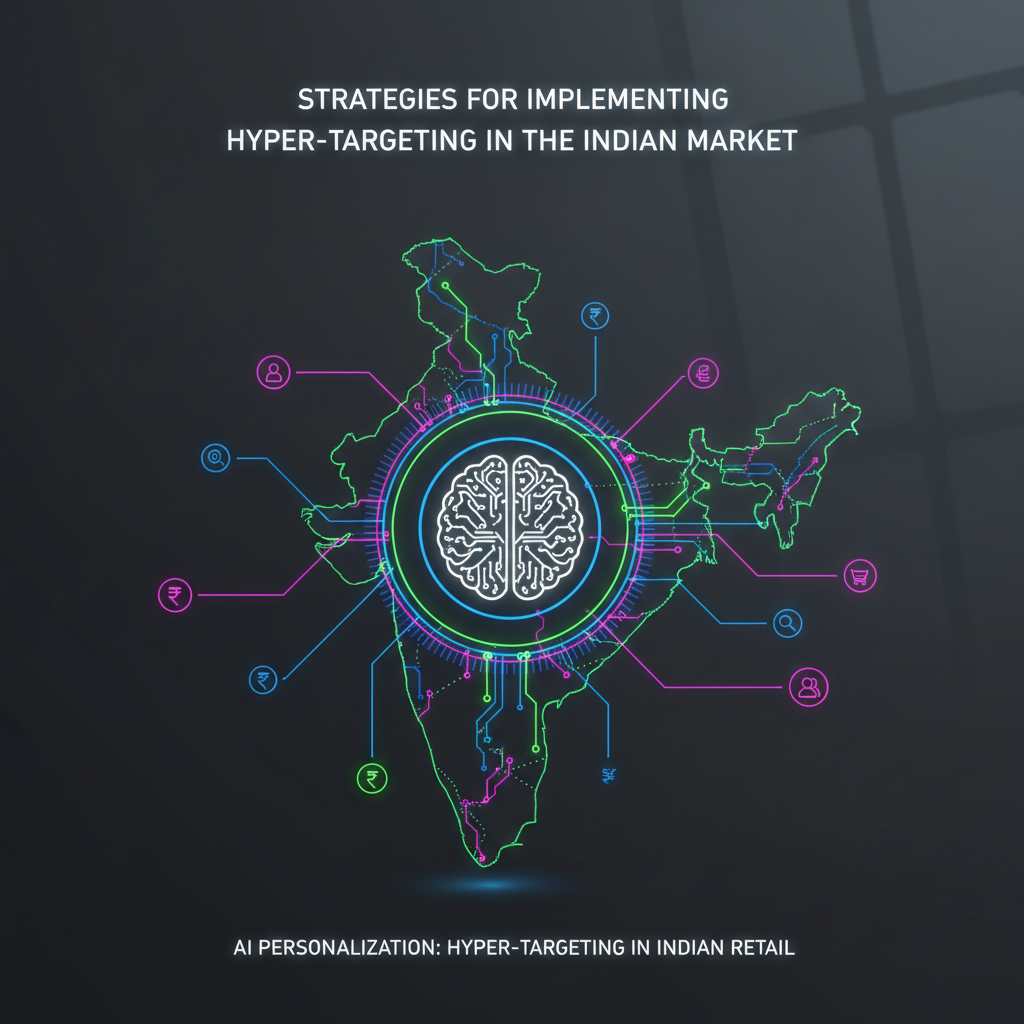
Given India's unique characteristics, specific strategies are vital for successful AI-driven personalization:
1. Embrace Multilingual and Regional Personalization
India is a land of diverse languages. Personalizing content, offers, and communication in regional languages can significantly increase engagement and conversion, especially in Tier 2 and Tier 3 cities. AI can help in dynamic language translation and content generation tailored to specific linguistic groups.
2. Understand Cultural Nuances and Festival-Driven Shopping
Indian consumer behavior is heavily influenced by festivals (Diwali, Eid, Christmas, Onam, Pongal, etc.) and cultural events. AI can identify patterns related to these events, allowing retailers to launch highly relevant, time-sensitive campaigns. For example, personalized recommendations for traditional attire during Navratri or specific home goods during Diwali.
3. Optimize for Mobile-First Experiences
The vast majority of online shopping in India happens via mobile. Personalization strategies must be optimized for mobile interfaces, ensuring seamless, fast, and intuitive experiences on smartphones. This includes mobile-specific recommendations, push notifications, and payment options.
4. Leverage Omnichannel Data Integration
For many Indian retailers, physical stores remain critical. Integrating data from offline purchases, loyalty programs, and in-store interactions with online data provides a richer customer profile. This allows for personalized experiences that bridge the gap between online and offline, such as offering online discounts for items previously viewed in-store or suggesting in-store pickup for online orders.
5. Start Small, Scale Gradually
Implementing full-scale AI personalization can be daunting. Retailers should start with specific use cases, such as personalized product recommendations on their website or targeted email campaigns for a particular customer segment. As they gain experience and see results, they can gradually expand their AI initiatives.
The JioCommerce Advantage: Powering Your Personalization Journey
JioCommerce provides the foundational technology for Indian retailers to embark on their personalization journey. Our platform is built to handle the complexities of the Indian market, offering:
* Robust Data Integration: Consolidate customer data from various sources, creating a unified view essential for AI-driven insights. * Scalable E-commerce Infrastructure: Support the massive data volumes and processing power required for real-time personalization. * APIs for AI Integration: Seamlessly connect with leading AI and machine learning tools to implement advanced recommendation engines, dynamic pricing, and predictive analytics. * Omnichannel Capabilities: Enable a consistent and personalized customer experience across online stores, mobile apps, and physical outlets.
By leveraging JioCommerce, businesses can move beyond generic marketing to truly understand and engage with their customers on an individual level. Our platform facilitates the deployment of cutting-edge AI solutions, helping retailers achieve hyper-targeting and deliver unparalleled customer experiences.
Conclusion
Personalization is no longer a luxury but a necessity for survival and growth in the competitive Indian retail landscape. AI and data analytics are the indispensable tools that empower retailers to move from broad strokes to precise, individual-level engagement. By investing in these technologies and adopting strategic approaches tailored to the Indian market, businesses can unlock significant growth, foster deeper customer loyalty, and establish themselves as leaders in the digital commerce era.
The future of Indian retail is personalized, and with platforms like JioCommerce, retailers have the power to shape that future, one hyper-targeted customer experience at a time.
Frequently Asked Questions
What is personalization at scale in retail?
Personalization at scale involves using AI and data analytics to deliver highly customized experiences, products, and communications to a large number of individual customers, based on their unique preferences and behaviors, rather than broad segments.
How does AI help in hyper-targeting for Indian retail?
AI helps by performing advanced customer segmentation, powering hyper-targeted product recommendations, enabling dynamic pricing, and personalizing content and communication across various touchpoints, all tailored to India's diverse linguistic and cultural landscape.
What kind of data is crucial for AI personalization?
Crucial data includes transactional data (purchase history), behavioral data (website clicks, views), customer profile data (demographics), and interaction data (email opens, social media engagement). A robust data infrastructure like a CDP is essential to unify this data.