
Phygital Retail: Seamless Blending of Online & Offline Experiences
Discover how phygital retail strategies are revolutionizing customer journeys by seamlessly integrating online and offline touchpoints for modern commerce.
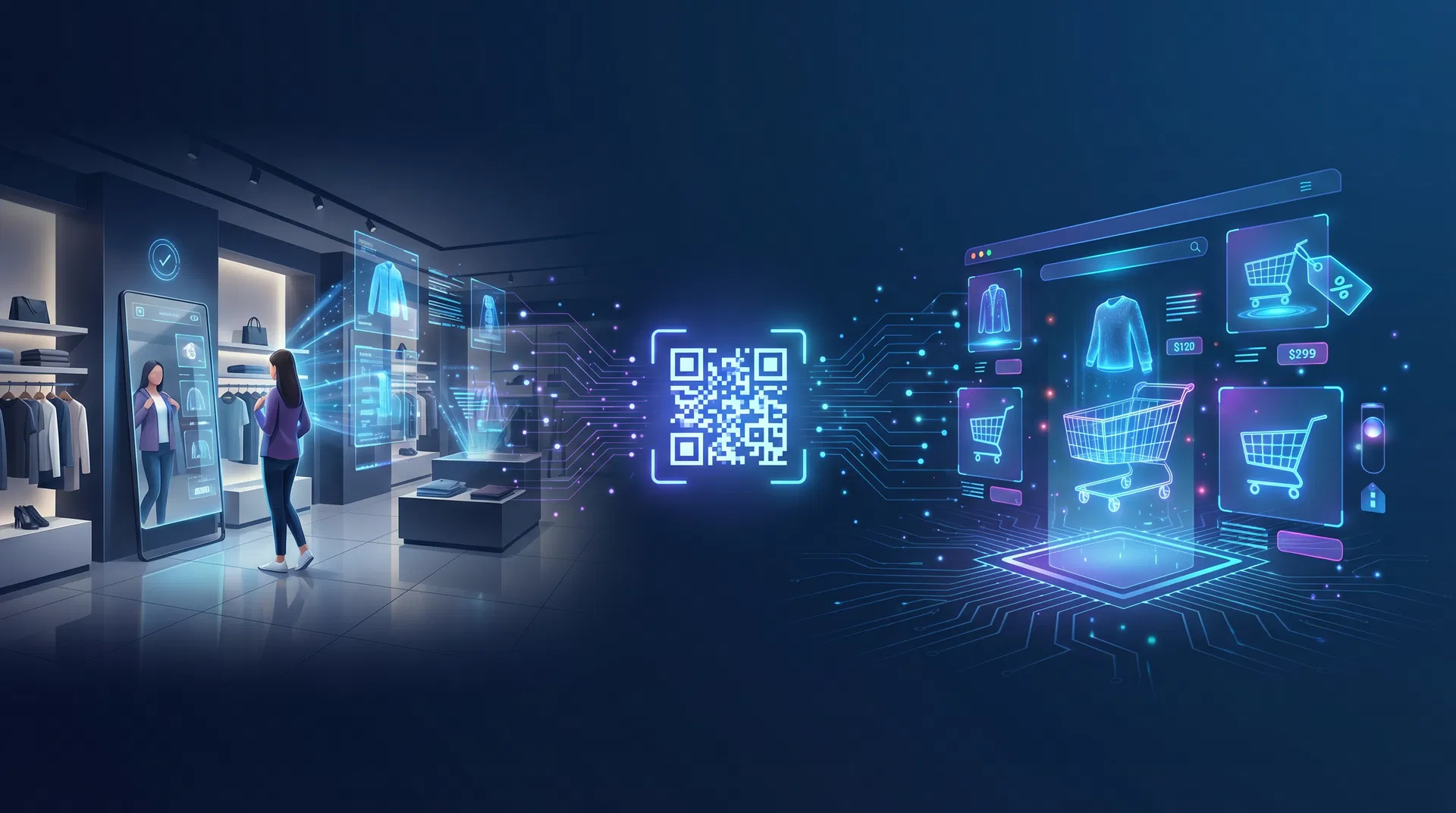
The Power of Phygital: Blending Online and Offline to Create Seamless Customer Journeys in Modern Retail
In an era defined by rapid digital transformation, the retail landscape has evolved beyond the simple dichotomy of online versus offline. Today's discerning consumer expects more than just a transaction; they demand a fluid, personalized, and engaging experience that transcends channels. This expectation has given rise to a powerful paradigm: phygital retail. Phygital, a portmanteau of 'physical' and 'digital,' represents the strategic convergence of the best elements from both worlds, creating a harmonious and truly integrated customer journey.
For retail executives, e-commerce managers, and CTOs, understanding and implementing phygital strategies is no longer optional—it's a critical imperative for sustained growth and competitive advantage. As JioCommerce, powered by Fynd, we recognize that the future of retail lies in this intelligent blend, empowering businesses to deliver unparalleled experiences.
Why Phygital is the New Retail Imperative
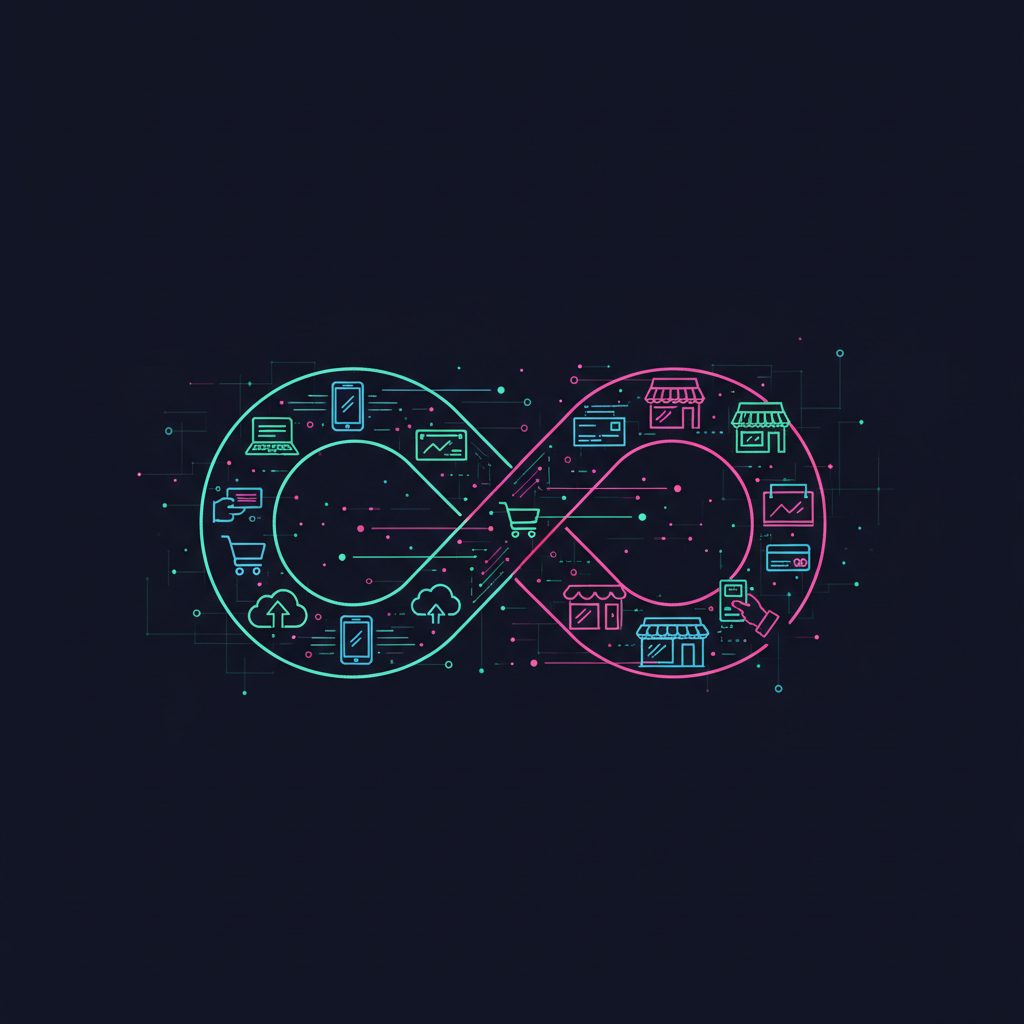
The traditional retail model, whether purely brick-and-mortar or exclusively e-commerce, often creates friction points for customers. Online shopping offers convenience and vast selection, but lacks the tactile experience and immediate gratification of physical stores. Conversely, physical stores provide sensory engagement and personal interaction, but can be limited by inventory and geographical reach. Phygital retail bridges this gap, leveraging the strengths of each channel to mitigate their weaknesses.
Consider these compelling statistics:
* 88% of consumers research products online before making a purchase in-store (GE Capital Retail Bank). * 73% of customers use multiple channels during their shopping journey (Harvard Business Review). * Retailers with strong omnichannel customer engagement strategies retain 89% of their customers, compared to 33% for companies with weak omnichannel engagement (Aberdeen Group).
These figures underscore a fundamental shift: customers don't see channels; they see a brand. Their journey is often non-linear, moving effortlessly between digital touchpoints (websites, apps, social media) and physical spaces (stores, pop-ups). A successful phygital strategy acknowledges this reality and designs experiences that are consistent, convenient, and compelling across every interaction.
Key Pillars of a Phygital Retail Strategy

Implementing a robust phygital approach requires a multi-faceted strategy that integrates technology, operations, and customer experience design. Here are some foundational pillars:
1. Seamless Online-to-Offline (O2O) and Offline-to-Online (O2O) Transitions
The essence of phygital lies in enabling effortless movement between digital and physical realms. This means making it easy for customers to start their journey in one channel and complete it in another, or to use one channel to enhance the experience in the other.
* Buy Online, Pick Up In Store (BOPIS) / Click & Collect: This has become a staple for modern retailers. Customers can browse and purchase items online at their convenience and then pick them up at a nearby store, saving on shipping costs and time. This also drives foot traffic, creating opportunities for impulse purchases or additional engagement. For example, major retailers reported up to a 50% increase in average order value when customers used BOPIS, as they often made additional purchases during pickup. * Reserve Online, Try In Store (ROTIS): This model allows customers to reserve items online to try on or inspect in-store, ensuring availability and a personalized fitting experience without the pressure of an immediate purchase. * In-Store Online Ordering: If an item is out of stock in-store, associates can help customers order it online for home delivery or pickup at another location, preventing lost sales and enhancing customer satisfaction.
2. Enhancing the In-Store Experience with Digital Technology
The physical store remains a vital touchpoint, but its role is evolving. It's no longer just a place for transactions; it's an experience hub, a brand showcase, and a fulfillment center. Digital technologies can transform the in-store environment.
* Endless Aisle Solutions: By integrating store inventory with online catalogs, associates can access a retailer's full product range, regardless of what's physically available in that specific store. This means customers are never told an item is
Frequently Asked Questions
What is phygital retail?
Phygital retail is a strategy that blends the best aspects of physical (in-store) and digital (online) shopping experiences to create a seamless, integrated, and engaging customer journey across all touchpoints.
Why is phygital important for modern retailers?
Phygital is crucial because modern consumers expect fluid, personalized experiences across channels. It helps retailers meet these expectations, improve customer retention, drive sales, and enhance brand loyalty by eliminating friction points between online and offline interactions.
What are some examples of phygital strategies?
Key phygital strategies include Buy Online, Pick Up In Store (BOPIS), endless aisle solutions, smart mirrors, interactive digital signage, personalized in-store recommendations via mobile apps, and augmented reality (AR) experiences.